
How a Retired Executive Tackles Brain Health with Mindr
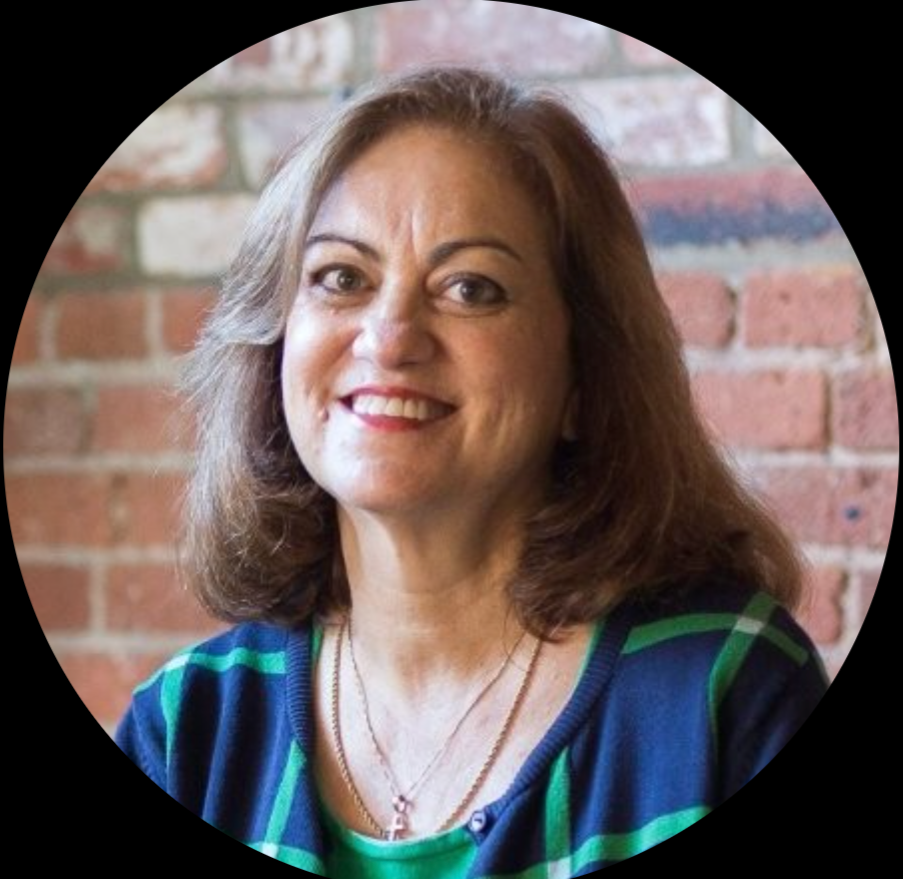
Susan Wall doesn’t strike you as the type of person who would need to worry about brain health. A former C-level marketing executive, the 73-year-old invests in and mentors startups. She’s a healthy eater, a voracious reader, and darn near impossible to beat at Scrabble.
But Susan’s father suffered from dementia, and she knows the illness has hereditary components. So she set out to see if there was anything she could do to counter those genetics.
That’s how she found Mindr.us. “I don’t want to have the experience of dementia. Moreover, I don’t want my children to have the experience of me turning into someone they don’t recognize.’’
Until recently, dementia was not thought to be preventable. But a groundbreaking Finnish FINGER study published in The Lancet in 2015 changed that perception. FINGER focused on nutritional guidance, vascular risk monitoring, cognitive training, and physical activity and found a 30% reduced risk of cognitive impairment after two years. A follow-up study in the US confirmed that structured lifestyle interventions significantly improve cognitive function in older adults at risk for cognitive decline more than self-guided efforts.
Finding the Right Brain Health Program
When Susan started her brain health journey, she didn’t know this. She just knew she wanted to do something proactive. In this, she is not alone. The Brain training apps market is expected to quadruple in the next 7 years. And growth in interest in food and supplements for better brain health is substantial. While mainstream publications are awash in tips and tricks with links to small studies, the content is scattered and not personalized.
“I wanted a more holistic approach,’’ says Susan. That’s what she found in Mindr.us. The program isn’t a brain game app or a generic website filled with suggestions. Instead, it provides subscribers with personalized content and a coach to help them determine the best way to optimize their brain health. It asks clients to choose how often (daily, weekly, three times a week) it wants users to participate.
“It’s much more intentional, but I can also choose my parameters,’’ Susan says.
Take the issue of learning. Susan has completed graduate-level work and held demanding marketing roles for much of her life. She viewed herself as a lifelong learner. But in working through the Mindr program, she discovered that learning has many dimensions.
A recent 2nd-floor home renovation turned into an opportunity to challenge her brain’s muscle memory on where everything in the house is and how to navigate it being moved around. A glassmaking class isn’t just a social event (although social activity is critical) but an opportunity to learn something completely different.
“Mindr expanded my definition of learning, opening up different ways I can learn and improve the neuroplasticity of my brain, and build new neural networks and new pathways. I’m being challenged in ways that are different than book learning.’’
Okay, but can an App really broker that much change?
That’s where Susan feels Mindr.us stands out. The program is personalized and includes a human coach. “I have great intentions, but life gets in the way. The coach holds you accountable to what I committed to.”
This has helped Susan in two key areas: incorporating daily exercise and taking her diet up a notch.
“Exercise was my bugaboo. I knew I needed to exercise, but other than riding my bike when the weather was nice, I hated it.’’
Mindr.us curates exercise ideas that are a little more prescriptive than pestering you to take a daily walk. Instead, it recommends thoughtful exercise video content that is designed for older adults. In Susan’s case, she became enamored of a channel that uses an older Mother/Daughter team offering 15 to 30 minute workouts with plenty of modifications.
In exercising along to the videos, she discovered that her balance wasn’t where it should be, and her coach counseled her on ways to improve that.
The diet component has also helped her make small changes – such as adding leafy greens to pasta dishes. She likes that the nutrition advice is curated. “It’s a personalized path, it goes in my direction. I don’t have heart disease or diabetes, so I don’t get that content. Besides, hiring a personal trainer or nutritionist is a big commitment. This is more doable and affordable.’’
Going Beyond the Basics
Susan has also found Mindr.us helpful in other ways. She’s been coached to write with her non-dominant hand and use a BrainHQ tracker that forces you to use your peripheral vision to view and recall the content. “That’s great for driving safety,’’ she notes.
“It’s not an investment so much in money, but it’s an investment in myself – the self I want to have around my children and grandchild. The self that is active and healthy.’’
