
ALZ Exec Reaps Benefits of Brain Health Coaching
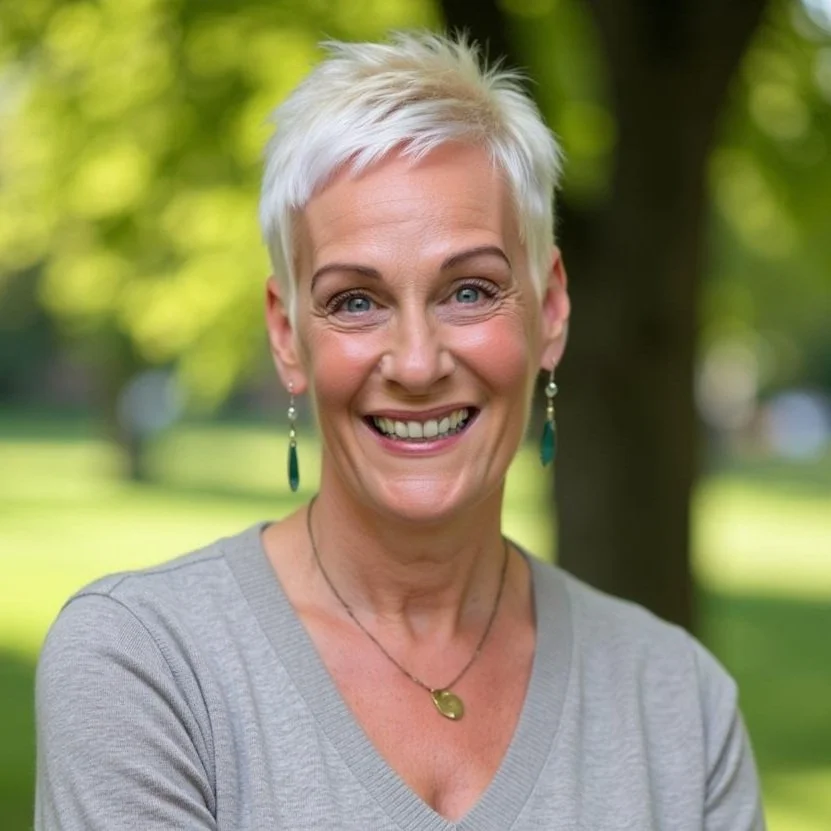
Meg Boyce is a clinical trial veteran. As the Vice President of Programs and Services for the Hudson Valley Chapter of the Alzheimer’s Association, she believes it’s critical to understand the underlying factors that drive dementia to reduce the severity and trajectory of the illness. “I just want to be part of finding a way of changing the trajectory… of people developing the disease.”
When she was introduced to Mindr, she was immediately intrigued. Mindr’s platform is built on findings from precursors to the US POINTER study, which suggested dementia could be prevented. Mindr anticipated what the US POINTER study validated: That adding monthly meetings with a coach is critical to success. At the time she signed up with Mindr, the Alzheimer’s Association was funding the U.S. POINTER study.
Meg was a beta tester for Mindr, and the results convinced her to stay enrolled.
The Surprise Wasn’t the Science - It Was the Experience
Meg is an active empty nester living next door to her vibrant 95-year-old mother. She says she thought she was doing most of the things that were good for brain health. But Mindr helped her learn a few things – and most importantly – it keeps her accountable.
“You always think about keeping your brain active by doing crossword puzzles or playing Sudoku. However, Mindr employs the types of brain stimulation used in the US POINTER study, and I was exhausted after just 7 minutes. It forces you to think differently than a lot of other brain games, and it really stretches your brain and helps you think about things differently.’’
Mindr works by pinging members daily with activities, from brain games to recipes and exercise videos. The expectation is that members take 30 minutes each day to work through the content. For a fee, Mindr also offers a personal coaching service, which meets virtually with clients on a monthly basis.
How Improving Brain Health Led to a Big Weight Drop
For Meg, the “a-ha” moment with Mindr related to nutrition. Like so many, she baked her way through the COVID lockdowns and thought the resulting weight gain was related mostly to getting older. “I really thought—this is where I’m stuck. But the structure of the program—small, daily decisions—quietly challenged that belief.’’
“I thought most of the benefit of Mindr would be around brain games and stimulation, but I lost 35 pounds. People keep asking me what GLP I’m using. I’m not. I’m just getting nudged on exercise and nutrition. Every morning I’m thinking about what I’m putting in my mouth, about how even 10 minutes of movement is better than nothing.’’
The shift wasn’t dramatic. It was about consistency. “The weight started to come off because I was keeping up on that daily basis.’’ Even her cravings shifted. “I used to turn to sweets when I was stressed. . . Now I’m addicted to watermelon.’’
Meg is eager to see the results from her annual bloodwork. Metabolic health is one of the pillars of dementia prevention. “I do have high cholesterol, so I’m eager to see if that’s gone down.’’
A Shift From Treatment and Support to Prevention
Meg sees Mindr as part of the broader shift happening inside the Alzheimer’s organization itself.
For decades, the focus was on treatment and helping caregivers. And while there is still focus there, prevention is playing a much bigger role. “We’re trying to change the trajectory… by reaching younger populations. We’re becoming more of a public health model… brain health is what we’re pushing.”
And the research supports this. “We know now that participants in programs like this – their brains are ending up being one to two years younger than their actual age.’’
Interested in trying MINDR? Use the coupon code SUCCESS2026 at checkout to get a Community Level Membership for free. (normally $9/month)
